
2026-08-19 · Christopher James
How to Spot Ice Dams Forming on Roofs in Fishkill Winters
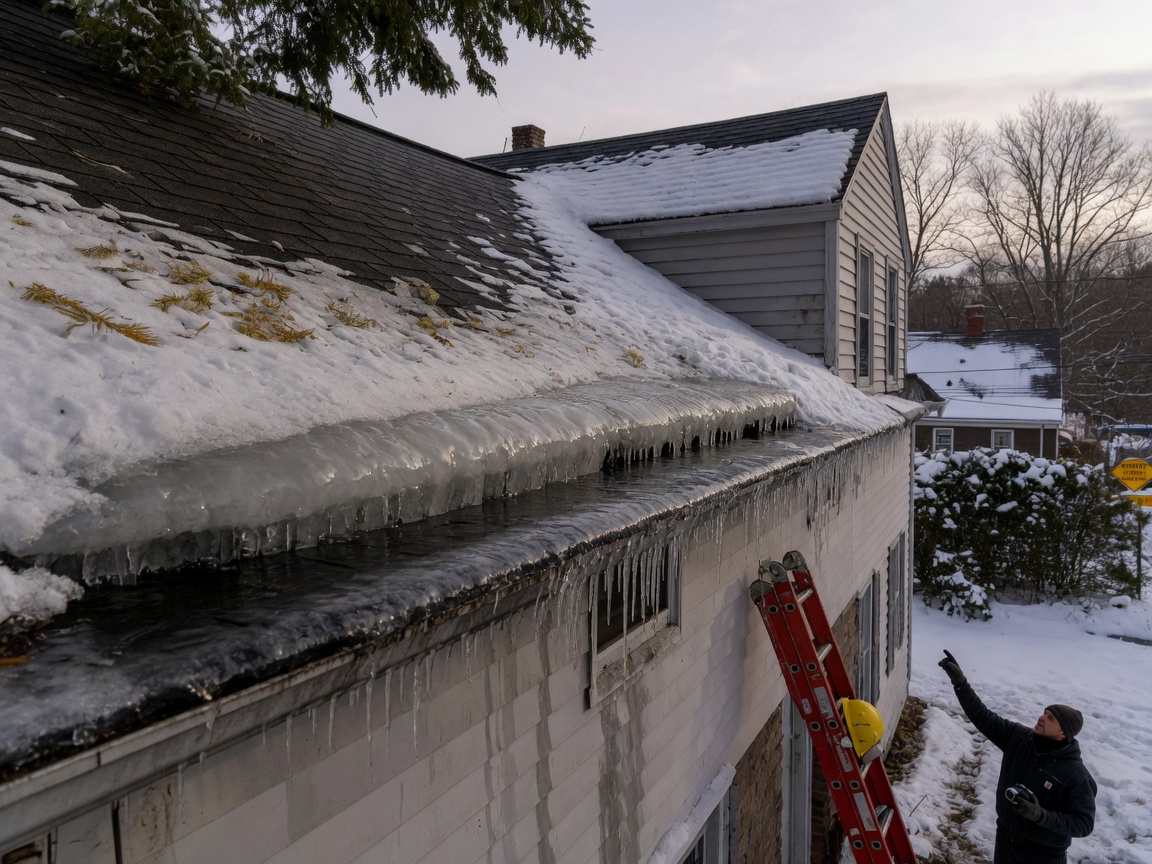
Ice dams form on roofs in Fishkill when daytime meltwater refreezes along the eaves during the cold nights typical of Dutchess County winters. Watch for hanging icicles longer than 12 inches along the roof edge, water stains on interior ceilings, and sagging shingles in the first 2 feet above the gutters. These indicators show up most often on homes in Fishkill and Brinckerhoff after the first sustained freeze in late December.
Exterior Visual Clues on Fishkill Roofs
Walk around the property at dusk when light angles highlight roof edges. Look for ridges of ice 4–8 inches high along the lower 3 feet of the roof slope, especially on north-facing sides that stay shaded longer. In neighborhoods near the Fishkill Supply Depot, older homes with steeper pitches trap more snow and show these ridges sooner than newer builds. Check gutters for solid ice blocks that prevent proper drainage after a 30-degree day followed by a 15-degree night. Snow that remains on the upper roof while the lower edge stays bare also signals active melting and refreezing cycles common in the county's humid continental pattern.
Interior Warning Signs to Check First
Enter the attic during daylight and scan the underside of the roof deck for dark moisture lines or frost near the eaves. Water dripping from recessed lights or staining drywall ceilings in upstairs rooms often traces back to ice dam melt that has already passed through the shingles. Homes within a few miles of Hudson Valley Hospital Center frequently report these interior leaks after January thaws because many structures date to periods when attic insulation was thinner. Feel the insulation for damp spots; even small amounts of melt can reduce R-value and lead to mold within weeks when temperatures swing back below freezing.
How Local Weather Patterns Drive Ice Dam Formation
Dutchess County winters bring repeated cycles of 25–35 degree days and sub-20 degree nights that create the exact conditions for ice dams. Warm spells in February melt snow on the upper roof while the overhang stays cold enough to refreeze the water. This pattern repeats most years in Fishkill and nearby Beacon, where elevation changes and tree cover keep some roof sections colder. The result is a growing ice barrier that forces water under shingles instead of into gutters, especially on homes with limited attic ventilation.
Regular gutter cleaning before winter reduces the volume of debris that traps ice along the edge. A professional roof inspection can confirm whether existing flashing and underlayment are adequate for the county's freeze-thaw cycles.
When to Call for On-Site Evaluation
If you see water stains spreading more than 6 inches or notice daylight through roof deck gaps, schedule an inspection before the next freeze. Technicians familiar with Fishkill homes can assess whether ice and water shield was installed correctly in the first 6 feet from the eaves. Early detection prevents the need for larger repairs once spring arrives and trapped moisture expands.
Further reading on proper underlayment appears in the article Understanding Ice and Water Shield Placement on Low-Slope Roofs.