
2026-08-19 · Christopher James
Recognizing Sagging Roof Decking in Older Fishkill Properties
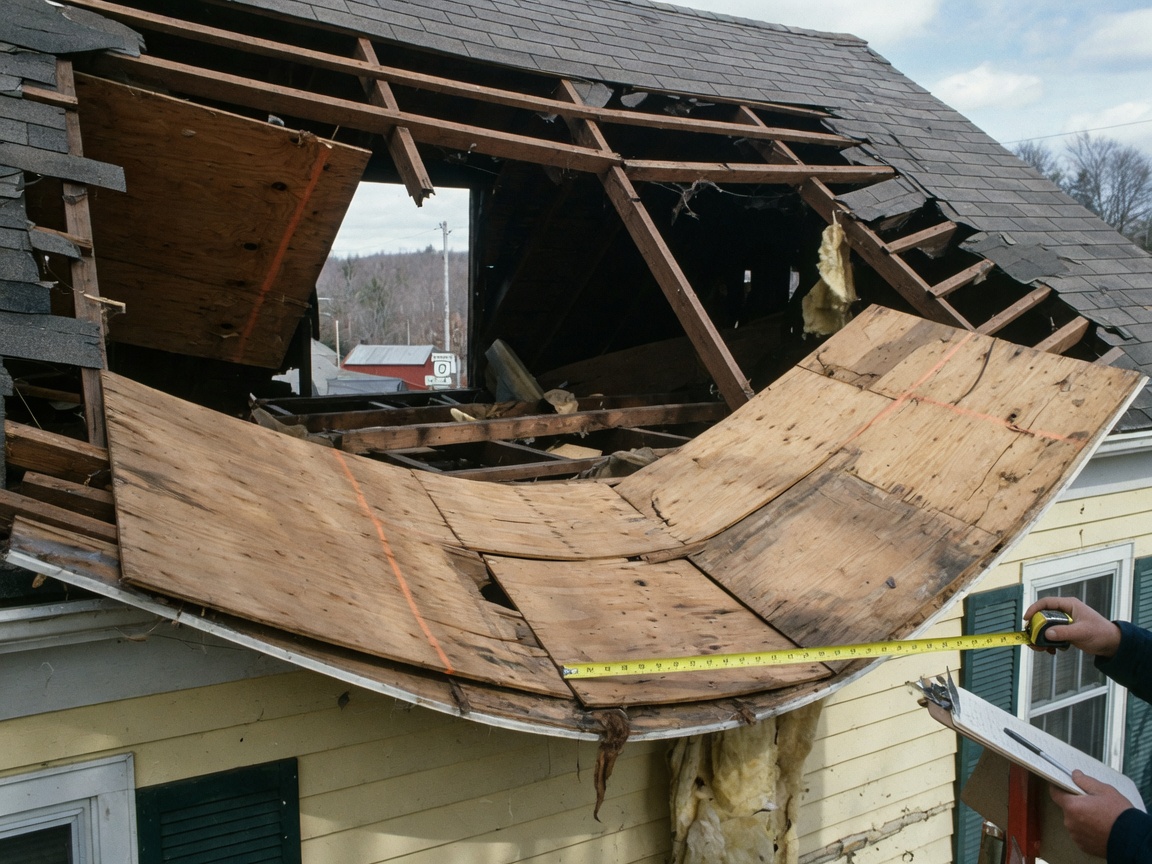
Sagging roof decking in older Fishkill properties typically becomes noticeable when interior ceilings show cracks or when roof surfaces develop visible waves between rafters spaced 16 to 24 inches apart. These signs appear most often on homes in Fishkill and Brinckerhoff constructed before widespread use of modern OSB sheathing.
Visible Indicators on Fishkill Roofs
Walk the attic or inspect from ground level with binoculars during daylight. Look for dips along the roof plane, especially near the ridge or over the living room span where rafters carry the heaviest load. In homes near the Hudson Valley Hospital Center, moisture from humid summers often stains decking edges brown before full sagging develops. Check for nail pops or buckled shingles that follow the same contour as the deck below. These patterns differ from storm damage because they align with rafter lines rather than random impact points.
Local Climate and Age Factors
Fishkill's humid continental climate brings repeated freeze-thaw cycles each winter that expand and contract older decking materials. Homes built in the 1950s and 1960s around the Fishkill Supply Depot site commonly used 1x6 or 1x8 plank decking that dries out and weakens after 40 to 50 years. Warm summer humidity adds another layer by promoting rot at joints where ventilation is poor. Properties in nearby Beacon and Wappingers Falls show the same progression when original cedar or asphalt roofs were never replaced.
Common Causes in Dutchess County Stock
Undersized rafters in pre-1970 construction often span too far without collar ties, allowing gradual deflection under snow loads common in Dutchess County. Water intrusion through aging flashing around chimneys accelerates decay at the deck-rafter connection. In Brinckerhoff neighborhoods, tree cover increases shade and moisture retention, shortening deck lifespan compared to open lots. Leaks that go unnoticed for even one season can soften plywood enough to sag under normal foot traffic during inspections.
Step-by-Step Visual Check
- Start at the street and sight along the roof edge for waves.
- Enter the attic with a bright light and look for daylight or stained wood between rafters.
- Measure any deflection with a straightedge; more than 1/2 inch over 4 feet warrants further evaluation.
- Note locations relative to interior walls to map load paths.
Document findings with photos before contacting a roof inspection professional.
Next Steps After Spotting Issues
Minor dips without active leaks can sometimes be stabilized by sistering rafters, while advanced sagging usually requires deck replacement during a larger roof repair project. Compare findings against storm-related claims using guidance from how to document storm damage for insurance claims in Fishkill. Owners in East Fishkill and Glenham often schedule checks in early spring before summer humidity masks early rot. Regular attic checks every two years help catch problems while repairs remain localized rather than structural.